

Kratom
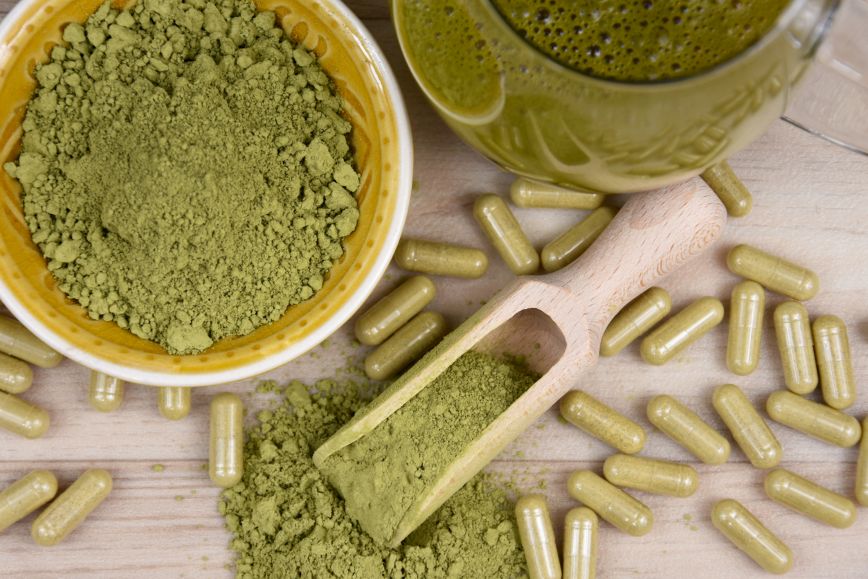
About kratom
What kratom is
Kratom (7-OH) is an herbal extract that has psychoactive (or mind-altering) effects.
- Kratom has not been proven effective or safe as a treatment for any condition.
- Kratom is sometimes marketed as a mood and energy lifter or as an alternative to opioids.
- Kratom and opioids act on the same receptors in your brain.
- Kratom use can lead to dependence and addiction. People who try to reduce or stop using it may experience withdrawal symptoms.
Manufactured kratom
Only small amounts of 7-OH are found in natural kratom leaves. However, some manufactured or synthetic kratom products have concentrated 7-OH.
Manufactured kratom products can:
- Be much stronger than natural kratom
- Lead to dependence and addiction
See more about the difference between kratom and manufactured 7-OH
How to recognize kratom products
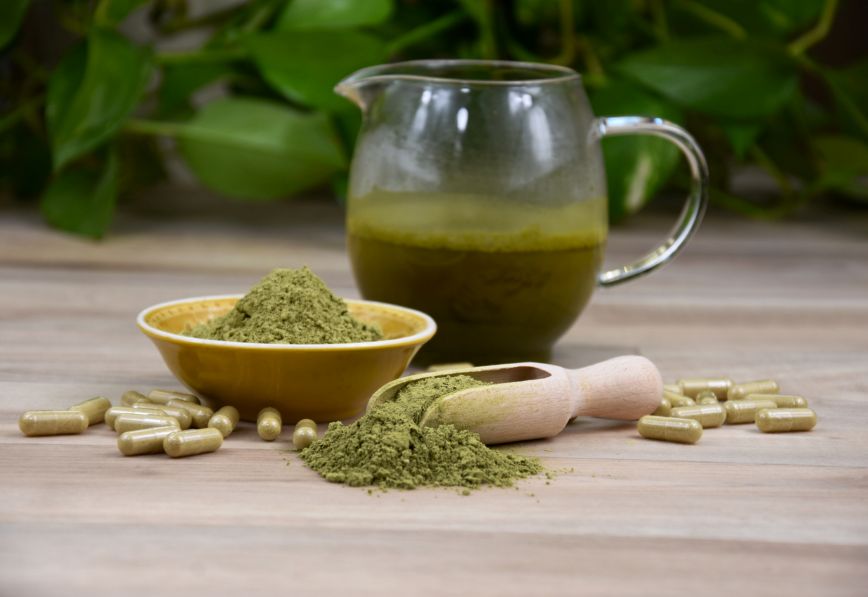
Kratom and 7-OH products are made to look like candy, treats, or “healthy” items. Read the packaging and label so you don’t accidentally buy or consume kratom or 7-OH.
Though other forms are available, kratom is most often sold in the U.S. as:
- Powders
- Capsules
- Concentrated extracts
- Drinks
- Shots
- Gummies
- Tablets
Effects of using kratom
Health effects
Kratom is linked to a wide range of health effects.
- Side effects can be mild, like constipation, or severe, like seizures and psychosis.
- Lower doses of kratom can cause stimulant effects.
- Higher doses of kratom can cause sedative effects.
Common side effects
- Anxiety
- Itching
- Increased urination
- Constipation
- Dry mouth
- Drowsiness
- Headaches or dizziness
- Nausea and vomiting
- Increased heart rate and blood pressure
- Tremors
Kratom in higher doses
Higher doses of kratom may increase the risk of severe effects such as:
- Liver toxicity
- Seizures
- Substance use disorder
- Opioid-like effects
- Overdose
- Dependence
People addicted to kratom report symptoms such as confusion and hallucinations.
Kratom and the law
Minnesota state law
It is a gross misdemeanor to:
- Sell kratom to anyone under 18 years of age
- Buy or possess kratom if you are under 18 years of age
As of Aug. 1, 2026, it is a gross misdemeanor to:
- Sell kratom to any person under 21 years of age
- Buy or possess kratom if you are under 21 years of age
Federal law
- Kratom is not approved by the Food and Drug Administration (FDA). The FDA advises people not to use kratom.
- Kratom cannot be sold in the United States as a drug, dietary supplement, or food additive.
- Kratom is not federally regulated as a controlled substance.
Public health safety concerns
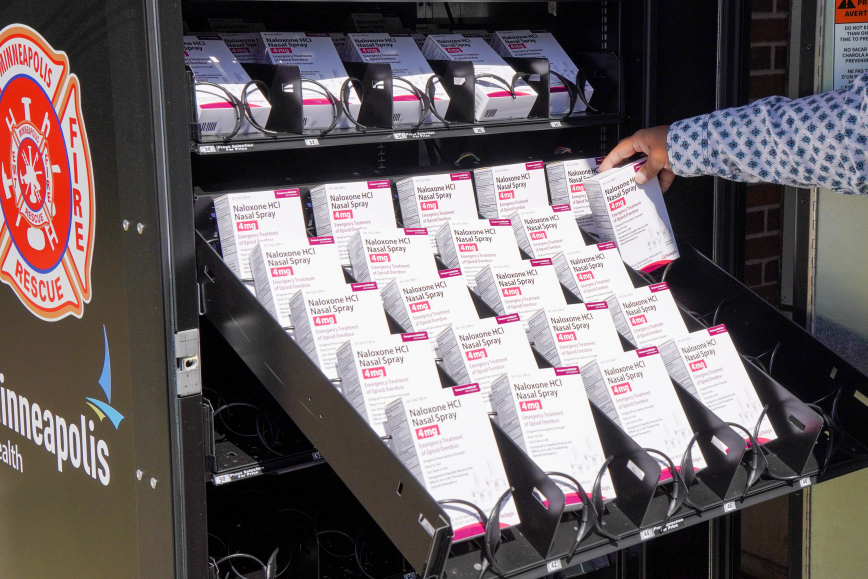
Poison control hotline
If you or someone you know is experiencing a poison emergency, call the Minnesota Regional Poison Center.
If symptoms seem severe or life-threatening, call 911 or go to an emergency room for immediate medical attention.
If a child consumes a kratom product, immediately call a medical professional or the free Poison Control Hotline.
Make the call even if a child has no symptoms.
Kratom and opioid use disorder (OUD)
Kratom acts on opioid receptors. Using kratom brings the risk of addiction, withdrawal, and overdose.
Kratom is not a safe or effective way to treat or manage:
- Any medical condition
- Opioid withdrawal symptoms
- Substance use disorders involving alcohol, stimulants, or other drugs
Learn more about Medications for Opioid Use Disorder (MOUD) from the Minnesota Department of Health
Recovery programs and resources
You can find support, treatment programs and more information about substance use.
Related resources
Kratom information
For more information about kratom, see:
Contact us
Minneapolis Health Department
Phone
Address
Public Service Building
505 Fourth Ave. S., Room 520
Minneapolis, MN 55415