

.png)
“The more I come in, the more I talk. It’s easier for me to not cry as much.”
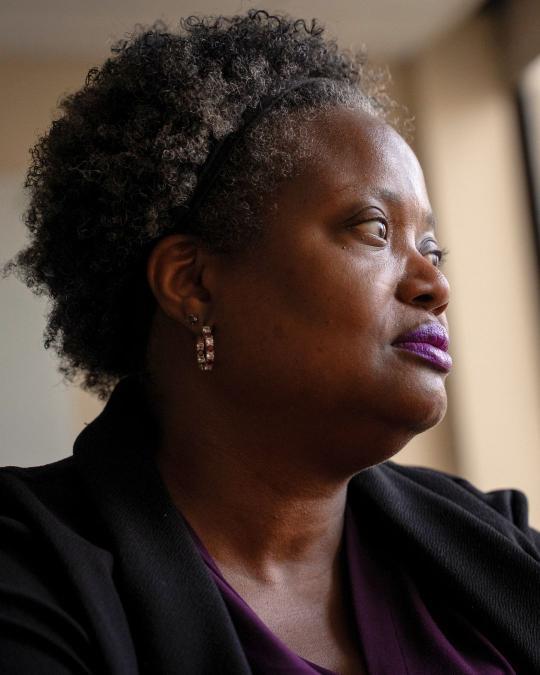
For Mildred Saulter, healing has looked less like a single breakthrough moment and more like a series of steps – small, uneven, and spread across years.
Years after gun violence changed her family’s life, Saulter found a source of support through the City of Minneapolis-contracted Next Step program. It became a place where she could process her experience and begin sharing her story.
The day everything moved
In August 2020, the Saulter family was moving out of their home. Three generations gathered together, focused on packing, loading up the U-Haul, and preparing for a new chapter.
Then, without warning or clear motives, a neighbor opened fire on them.
Makayla, Saulter’s 12-year-old daughter, was holding her 18-month-old niece, Winter, when she was shot. Family members found her still cradling the toddler in her arms. Winter’s life was saved because of her.
Makayla was rushed to the hospital in critical condition with a severe head injury –she’d been shot in the back of the head. Doctors warned her family that recovery would be long and uncertain. During her hospitalization, she made remarkable progress, gaining the nickname “Miracle Makayla” from her medical team and family.
At the same time, Makayla's older sister, Canisha, was recovering from three gunshot wounds that shattered and broke her hip and ankle. As a mother herself, Canisha was suddenly facing months of recovery.
Other family members, including Saulter's daughter Charnae and 9-year-old grandson Kezerick, were also present. They walked away physically unharmed but were forever changed. As they carried the emotional weight of the experience, they did everything they could to support their family in the months and years that followed.
One step at a time
With the road to recovery still unfolding, Saulter stepped away from her professional role as an accountant and found herself at the center of her family’s response to the shooting.
Though she wasn’t physically injured, the emotional weight of what happened lingered. She became a source of stability for her daughters, grandchildren, extended family, and community as they navigated the incident together, even as she was still trying to process it herself.
The family's recovery came step by step through hospital stays, doctors' visits, heartfelt conversations, and moments of support. Saulter’s family remained determined, standing with one another every step of the way as they rebuilt a sense of stability. With Saulter being the central anchor for her family, it took a few years before she received the emotional support that allowed her to begin processing what her family had been through.
How Minneapolis programs connect people to support
That support eventually came through Next Step, based at Hennepin County Medical Center (HCMC). This program connects survivors of violent injury and their families with ongoing emotional support and resources to sustain long-term healing.
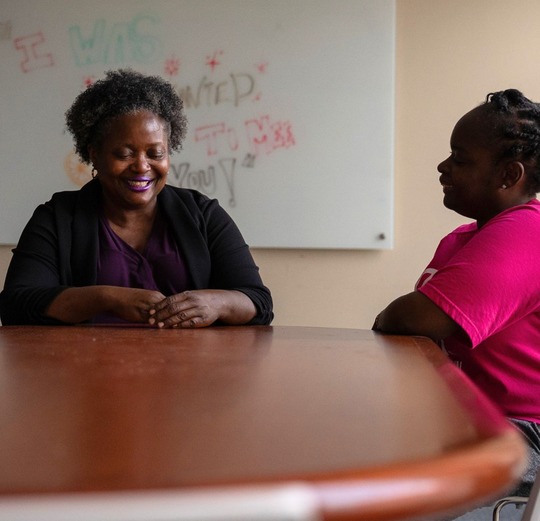
“Being shot is not normal. The work we do to rehumanize people who have experienced gun violence is lifesaving,” says Kentral Galloway, Next Step program director. “Hurt people often hurt people, but healed people help heal people. By restoring dignity, connection, and hope, we help break cycles of trauma and create pathways toward healing for individuals, families, and communities.”
Since its launch in 2016, Next Step has supported more than 700 people who were victims of serious violence. And on average, about 70% have chosen to connect with additional community-based services after leaving the hospital.
City Partnership
Next Step is part of a broader effort in partnership with the City of Minneapolis Neighborhood Safety Department (NSD), which addresses violence as a public health issue.
The goal is to prevent violence from becoming a repeating cycle. The approach reflects a shift from traditional policing to understanding violence shaped by trauma, environment, and access to support. Keeping someone safe is an ongoing process that extends beyond immediate intervention; it requires long-term stability in employment, housing, mental health, and community reintegration.
In the first quarter of 2026, Next Step served 442 people, including 19 new victims. Among the services provided were:
- 141 people received emotional support or safety services
- 24 people received information and referral services
- 25 people received personal advocacy/accompaniment
- 4 people received shelter/housing services
Programs like Next Step fill a critical gap in the earliest moments after violence occurs, when intervention can shape what comes next.
“We want as many opportunities as possible to connect with people at risk,” said Neighborhood Safety Department Director Amanda Harrington. “We try to prevent violence whenever possible, intervene if we have to, and provide support once harm has occurred. Next Step is an important part of that system.”
Taking the next step
The shooting took an emotional toll on the Saulter family, but they’ve taken the next step in their journey. Today, the future that once felt uncertain looks very different for the Saulter family. Makayla, once in critical condition, has made the kind of recovery that inspired her nickname. She’s attended prom, graduated from high school, and is pursuing higher education. While the experience will never disappear, it no longer defines where they’re going. Her family has always continued to move forward, together.
“It’s been huge because I wasn’t able to say even two words without crying,” Saulter said. “I would get started, get choked up, and just be crying. I’m not that bad anymore. I’ve come a long way.”
For Mildred, recovery wasn’t about forgetting. It was about being able to speak.
The journey has also shaped what Saulter hopes others understand about healing.
“People should get help when they can, when they feel like they're in a good place to be able to get help,” Saulter said. “And don't ever give up.”