

City response to homelessness
Overview
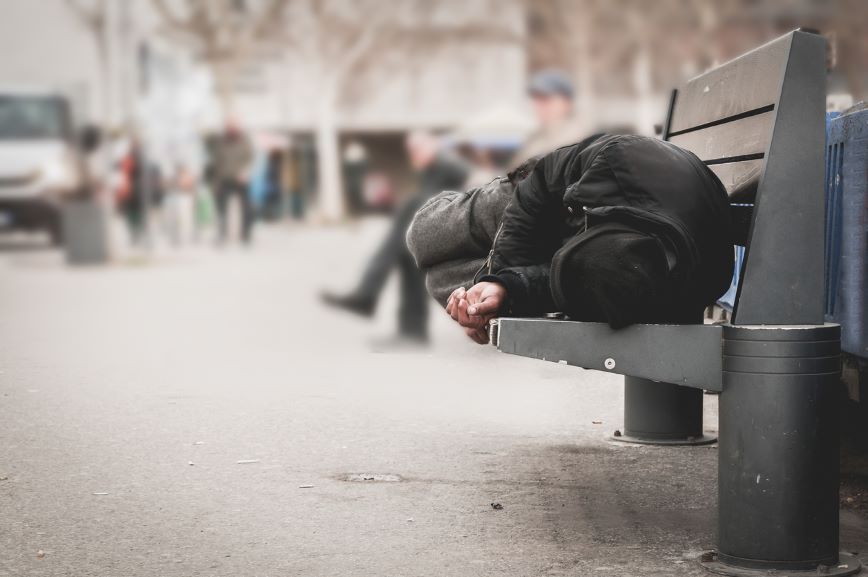
Our role
The City plays a major role in creating and protecting affordable housing in Minneapolis. These efforts have led to more affordable housing units than ever before. When it comes to responding to homelessness, the City is a connector to resources. It does not provide services directly.
We focus on supporting immediate needs such as:
- Street outreach
- Coordinating with service providers to connect unsheltered people to resources
- Preventing encampments and managing encampment closures
- Protecting the safety of everyone involved
Supporting residents experiencing homelessness is a Citywide effort involving the following departments:
- Health
- Regulatory Services
- Community Planning and Economic Development
- Public Works
- Minneapolis Police Department
We work not only across departments, but across jurisdictions. We work closely with our partners at Hennepin County. They are responsible for the individual care of people experiencing homelessness.
Support and resources for people experiencing homelessness
Minneapolis Homelessness Response Team
The Minneapolis Homeless Response Team supports residents experiencing homelessness by:
- Visiting them wherever they are, five days a week
- Connecting them to shelter and services that fit their needs, such as:
- Mental health
- Social work
- Substance abuse support
- Working with Hennepin County to provide culturally aware and trauma-informed care
Opioid response
We offer many resources that all residents can access for:
- Opioid harm reduction
- Other substance use resources
- Community health services
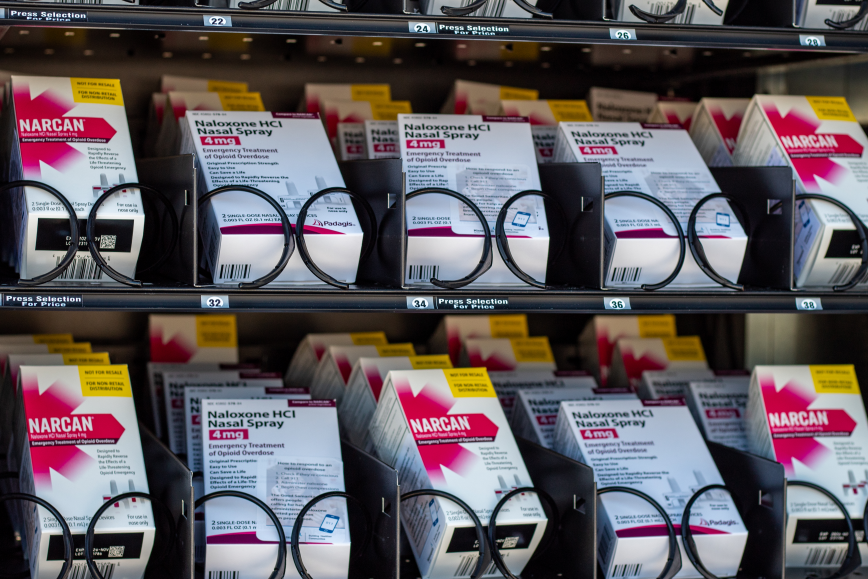
In the last year, we’ve installed three free, 24-hour NARCAN® vending machines across Minneapolis.
Learn more about the vending machines and the City’s opioid response
Mobile Medical Unit
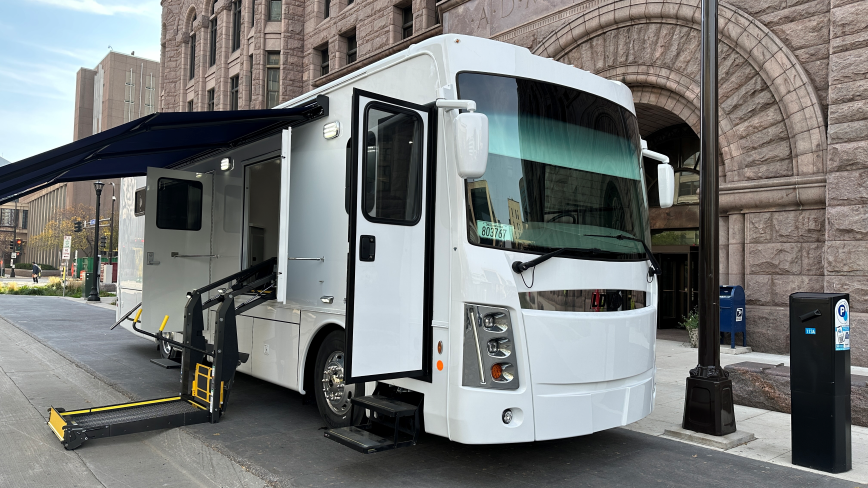
In August 2025, we launched the Mobile Medical Unit (MMU), a mobile medical clinic on wheels. The MMU brings resources directly to neighborhoods with limited access to healthcare, including:
- Healthcare services
- Addiction treatment and recovery resources
- Connections to primary preventative care
First Step
We’ve put a program in place called First Step. It’s a local version of the Medication First approach. This approach focuses on getting people treatment for Opioid Use Disorder (OUD).
This program:
- Uses existing systems of care
- Uses evidence-based treatments
- Promotes partnerships between psychosocial and medical providers
We partner with community groups, including:
- Native American Community Clinic
- M Health Fairview Emergency Department
- M Health Fairview Addiction Medicine

Help for people facing homelessness
Minneapolis 2040
2040 Land use policy and zoning
Through the visionary Minneapolis 2040 plan, we are rethinking land use policy and zoning. The goal is to increase housing density. This plan will require new development projects to include more affordable units. It will also allow for more housing types throughout the city.
2040 Affordable homes
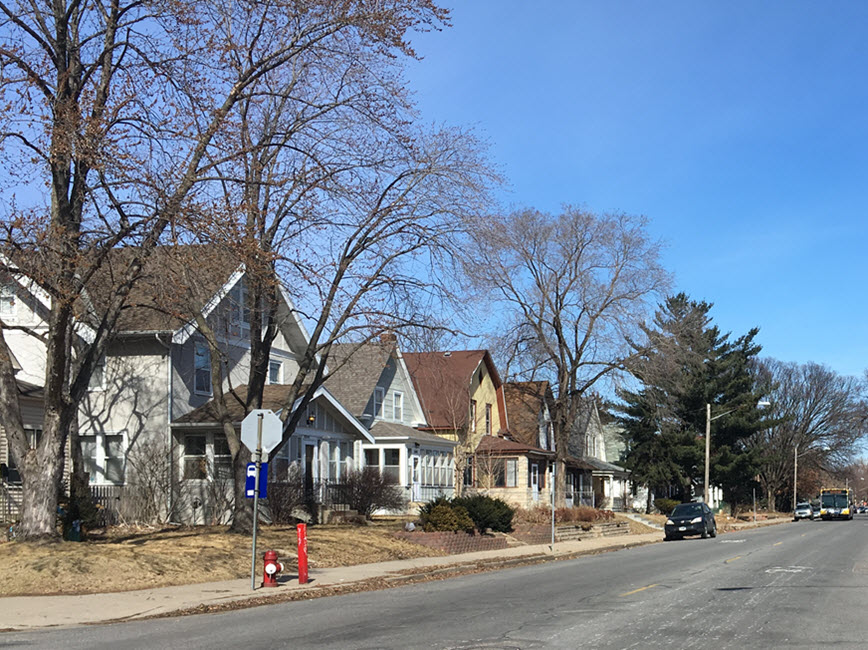
The Minneapolis 2040 Plan also shows that people experiencing homelessness need homes they can afford.
The City’s homelessness policy works with partners to:
- Prevent homelessness
- Help people move toward stable housing
Affordable housing access and inventory
Affordable housing
Minneapolis funds the construction or preservation of hundreds of affordable housing units each year. The focus is on people earning the lowest incomes.
Program changes helped
As a result of the City's change to the 2024 program guidelines there was a 43 percent increase in applications.
The applications were for units affordable to households earning 30 percent of the area median income (around $39,720 for a family of four in 2025).
Learn more about the Affordable Housing Trust Fund (AHTF)
Learn more about area median income
Existing affordable homes preserved
Just since 2024, we’ve invested more than $22.5 million plus federal housing tax credits to create or preserve approximately 1,400 affordable homes for Minneapolis families.
Naturally Occurring Affordable Housing (NOAH)
We created the Naturally Occurring Affordable Housing (NOAH) preservation fund in 2018. Its goal is to protect lower-cost rental homes that would otherwise be:
- Bought
- Upgraded
- Rented at higher prices
The program combines property tax incentives with several types of financing.
Stable Homes Stable Schools
Through our Stable Homes Stable Schools initiative, we help hundreds of children and families. Housing stability is very often a prerequisite for educational success.
To date, this program has assisted over 6,700 children and 2,400 families.
Reduce renter displacement
In Minneapolis, 54 percent of households rent their homes. To support these renters, we created a Renter-First Policy.
Key points of the policy:
- Puts renters at the center of rental inspections and code enforcement
- Uses stronger enforcement tools that prevent repair and maintenance problems before they cause displacement
- Ensures that a property is condemned only as a last resort
- Provides resources to renters facing complex housing issues
Learn more about the Renter-First approach
Inclusive economic opportunity
Protected class for housing
We have expanded civil rights protections. It is now illegal to discriminate based on housing status.
Read more about the protections
Economic success pathways
We are helping more people and businesses build pathways to economic success.
Our programs offer:
- Workforce skill building
- Small business support
- Help for commercial real estate and business development
- Licensing information and more
We focus on communities that have often been cut off from such support.
Learn more about workforce skill building
Hennepin County partnership
The City’s role is to connect unsheltered individuals to services and resources. These are provided by Hennepin County and other community partners.
Hennepin County offers critical services like:
- Emergency shelter
- Case management support
- Eviction prevention programs
The county helps people move from homelessness to housing.
In addition, the County invests millions of dollars each year to build and maintain affordable housing. This housing is customized to meet the needs of people exiting homelessness. (Funding the creation of nearly 200 units of deeply affordable and supportive housing in 2025 alone.)
Learn more about Hennepin County’s Homelessness and Housing Resources