

Minneapolis updates its separation ordinance
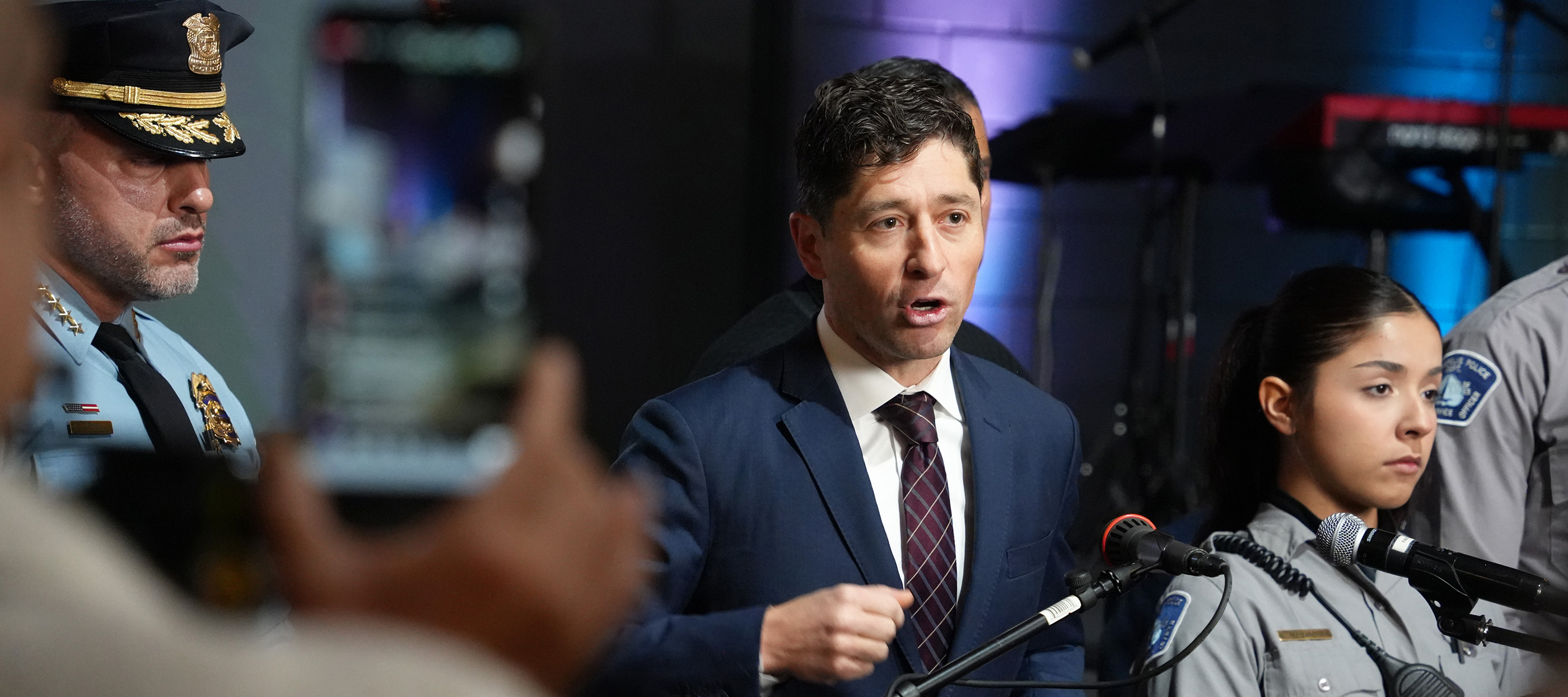
The City of Minneapolis updated its separation ordinance that prohibits participation in federal immigration enforcement activities.
Here's what you need to know:
What's new:
- An executive order by Mayor Frey – now codified in the ordinance – prevents Immigration and Customs Enforcement (ICE) from staging on City-owned lots and ramps
- New reports to Mayor and City Council
- Updated training for employees on the separation ordinance
What doesn't change:
- The City does not participate in immigration enforcement
- MPD protects the safety of everyone, regardless of immigration status
Additional details related to the Minneapolis Police Department
As we witness increased federal immigration enforcement throughout the Twin Cities, we are committed to doing everything in our power to keep our community safe and support everyone living in fear of being targeted.
The Minneapolis Police Department (MPD) is dedicated to community policing as a means of reducing crime while building community trust. Therefore, MPD will investigate criminal activity without regard to a person's actual or perceived immigration status. Doing otherwise would have a chilling effect on our ability to provide public safety to our community.
To best serve our community, we will continue to ensure the City’s role is clear and transparent. Under MPD policy and the City's separation ordinance, officers will not take any actions to determine, verify, or detect a person's immigration status, except in cases in which immigration status is an element of the crime, such as human trafficking or smuggling. The policy distinguishes human trafficking or smuggling. The policy distinguishes between the work MPD officers do, such as enforcing criminal laws, and the work they cannot do, such as immigration enforcement.
For example, MPD officers will not:
- Provide information to immigration enforcement agents for the purpose of locating a person solely for immigration enforcement actions.
- Remove or transport people in immigration enforcement proceedings.
- Assist with immigration enforcement at any immigration enforcement-related events.
- Participate in detaining people based solely on immigration status (like during a traffic stop or at a checkpoint) or assist in the enforcement of immigration laws
- Escort federal immigration agents to enforcement locations unless there is a clear and immediate threat to life, serious injury, or destruction of property.
- Close streets when there are no traffic or public safety issues unless there is a clear and immediate threat to life, serious injury, or destruction of property.
- Conduct crowd control when members of the public are peacefully assembling and exercising First Amendment rights, when no threat to public safety exists.
- Mask or shield their identities as officers when interacting with the public. The only exception is when officers are officially undercover for other purposes.
MPD might be dispatched to calls for service in incidents that could ultimately involve federal immigration enforcement. Such incidents may include reports of possible kidnappings, suspicious person calls, or situations involving tension between law enforcement and the community. In these situations, members are expected to act in a fair, transparent, and impartial manner to uphold public safety and maintain community trust.
If there is call for help from a federal agency, MPD will respond if there are threats of violence, actual violence, life-threatening situations, or destruction of property. However, once everyone is safe, MPD will immediately leave the area. At these incidents, MPD officers do not operate under the direction of federal law enforcement.
Complying with MPD’s policy and the separation ordinance is mandatory. Violations are subject to discipline.
What to do if you see ICE in your neighborhood
With increased federal immigration activities, residents and community members are asking what to do if they see ICE in their neighborhood. Due to our City’s separation ordinance, MPD does not work with ICE on immigration enforcement operations and cannot interfere with those operations.
If there are threats of violence, actual violence, or destruction of property, MPD officers may respond to assess the situation, de-escalate when possible, and ensure public safety for everyone.

Call 911 right away if:
- You see someone with a gun and they are not wearing anything that identifies them as law enforcement.
- You hear gunshots or see someone firing a gun.
- Someone is being assaulted.
- A person is being taken by force into an unmarked vehicle and you don’t know if law enforcement is involved.
When you call 911, describe what you see. Officers may come to assess the situation.
Contact 311 to get more information
For non-emergency questions, call 311. Operators can explain what MPD does and does not do. Using 311 helps keep 911 available for life-threatening emergencies.
You can also email or text 311 using the mobile app. Learn more about how to contact 311
Important safety reminders
Do not interfere in any way with federal agents. Physically impeding or obstructing any ICE operation can lead to arrest or being charged with obstructing federal law enforcement.
For your safety:
- Do not engage or throw objects.
- You may record video, as long as you do not interfere.
Small business impacts from increased federal activity
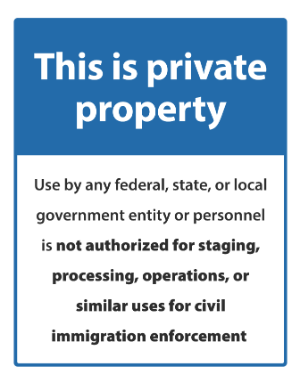
Optional signs to notify ICE you do not authorize using your private property for their operations
On Dec. 3, Mayor Frey signed an executive order prohibiting staging for civil immigration enforcement activities on any City-owned parking lots, ramps, garages or vacant lots. Private property owners and leaseholders can also post a notice stating they do not authorize their property to be used for certain immigration enforcement activities, such as staging for an operation.
The City created designs for signs, posters, stickers and window decals you can download and print. While the City is providing the designs, printing is your responsibility.
Note: If you use these signs, you’re doing so at your own discretion and assume any associated legal risks. The City cannot guarantee that these signs are legally enforceable in every situation. Do not physically fight with ICE agents regarding access to your property. Document their actions and follow up with a legal services provider.
Helpful links:
- Download poster, sticker and window decal images.
- Find common questions and answers from business owners.
- Find more information about the executive order.
- Find the latest information on the City's response to federal actions.
Other small business tips
Small businesses and other places of employment may encounter specific enforcement actions to be aware of and prepared for.
I-9 inspections
An I-9 inspection, also called an I-9 audit, is an administrative inspection process conducted by the Department of Homeland Security (DHS). During this process, a DHS agent will request specific business records to confirm that the business's employees have appropriate work authorization. Read more on I-9 Inspections.
ICE or federal action at the workplace
Immigration officials may come to a business with a warrant to locate or detain specific individuals or search a location. The National Immigration Law Center (NILC) offers a helpful guide for steps that employers can take if immigration officials come to your workplace. Find the NILC Guide for Employers.
Small business resource to access legal advice
The City of Minneapolis Business Technical Assistance Program (BTAP) refers eligible businesses to free legal advice from attorneys.
Contact the Small Business Team for a referral at smallbusiness@minneapolismn.gov or call 612-673-2499. You can also find answers to common questions from business owners related to immigration enforcement.
Additional resources
If you or someone you know is affected, there are resources available, including free legal clinics staffed by immigration attorneys.
- Mid-Minnesota Legal Aid Community Clinics
- Volunteer Lawyers Network Clinics
- City of Minneapolis Office of Immigrant and Refugee Affairs (OIRA):
You can call 612-673-3129 or 311 to get connected to OIRA. - Find more resources to know your rights