

Resilience Hubs
What they do
Definition
Resilience is the ability of people and their communities to handle and adjust to:
- Day-to-day life challenges
- Changing climate conditions
- Emergencies
Resilient communities:
- Use resources wisely
- Provide high quality of life
- Build trust and connection
- Provide financial support
Services
Examples of services at Resilience Hubs include:
- Physical and mental health
- Childcare
- Food distribution
- Job training
- Shelter during emergencies
- Arts and cultural programming and tool sharing
Locations
Resilience Hubs can be located at:
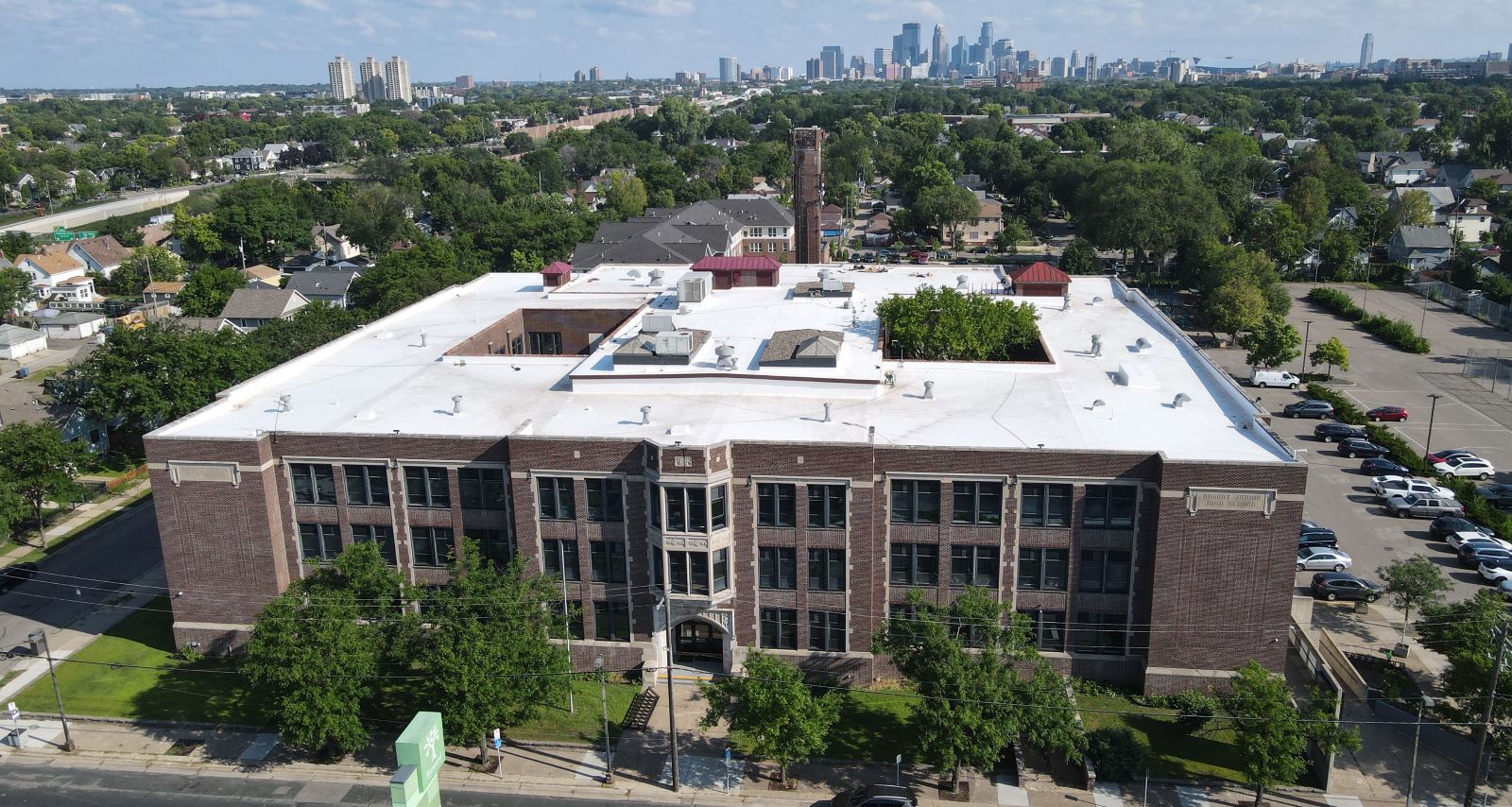
- Community centers
- Recreation facilities
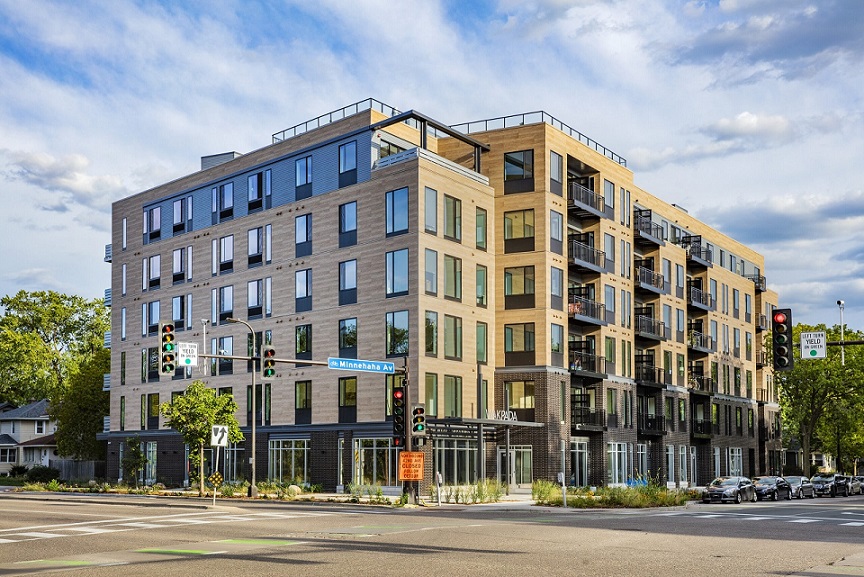
- Multi-family housing buildings
- Vacant lots, community parks, or local businesses
Current locations:
How they work
Resilient communities go beyond emergency preparedness and response.
Resilience Hubs serve communities every day, not just during a crisis.
They work in three ways:
-
Everyday life (more than 99% of the time)
-
During disruptions like storms and power outages
-
Recovery from disruptions or emergencies
Partners
In partnership with the City, Xcel Energy created the Resilient Minneapolis Project (RMP). The goal is to develop three Resilience Hubs with solar plus battery storage systems.
The sites include:
- Sabathani Community Center
- The Minneapolis American Indian Center
- A combined site called the Northside Resilience corridor. This site is centered at the MPS Nutrition Center. It is a partnership between:
- Renewable Energy Partners
- Minneapolis Climate Action
- Minneapolis Public Schools (MPS)
Related links
Contact us
Minneapolis Health Department
Phone
Address
Public Service Building
505 Fourth Ave. S., Room 520
Minneapolis, MN 55415